
News
A Technical Guide to Safer Lifting Operations

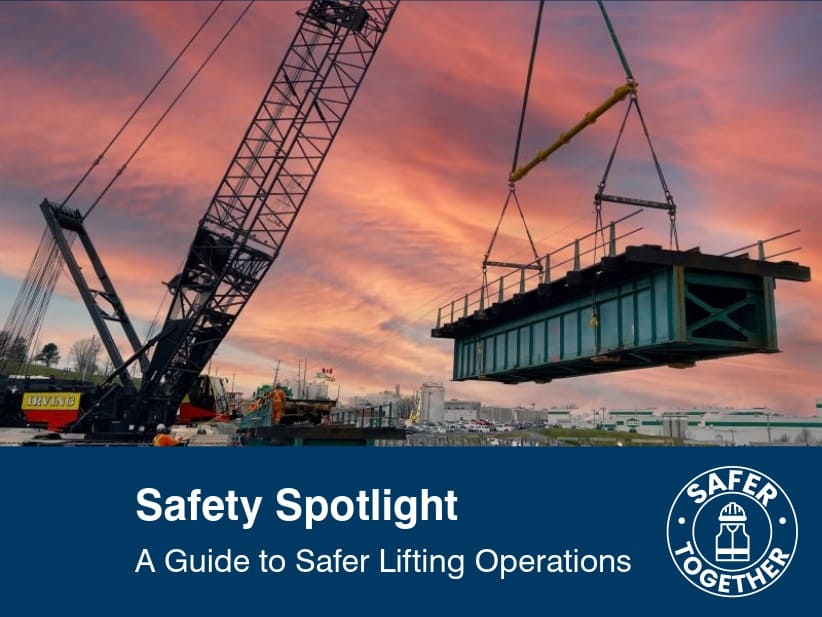
Lifting operations present a wide range of risks, particularly when working with large, heavy, or irregular loads. Many incidents occur not because of rare or unpredictable failures, but due to recurring patterns: unstable load distribution, improper equipment handling, or inadequate load monitoring. Understanding how and why these accidents occur is essential for developing safe, controlled lifting operations.
This guide outlines the most common lifting‑related accidents or incidents observed across the industry and explains the engineering, procedural, and equipment‑based methods used to prevent them.
Load Instability and Unbalanced Forces
Load instability is one of the most frequent contributors to lifting accidents and incidents. When forces are unevenly distributed across lifting points, spreader beams, or slings, the load may tilt, rotate, or shift unexpectedly.
Why it occurs
- Incorrect sling angles or unequal sling lengths
- Poor understanding of the load’s centre of gravity
- Inaccurate assumptions about weight distribution
- Failure to continuously monitor loads during the lift
Consequences
- Sudden load movement
- Overloading of individual rigging components
- Structural damage to lifting points or frames
- Loss of control during critical lift phases
Prevention
Engineering‑based planning plays the primary role in preventing instability:
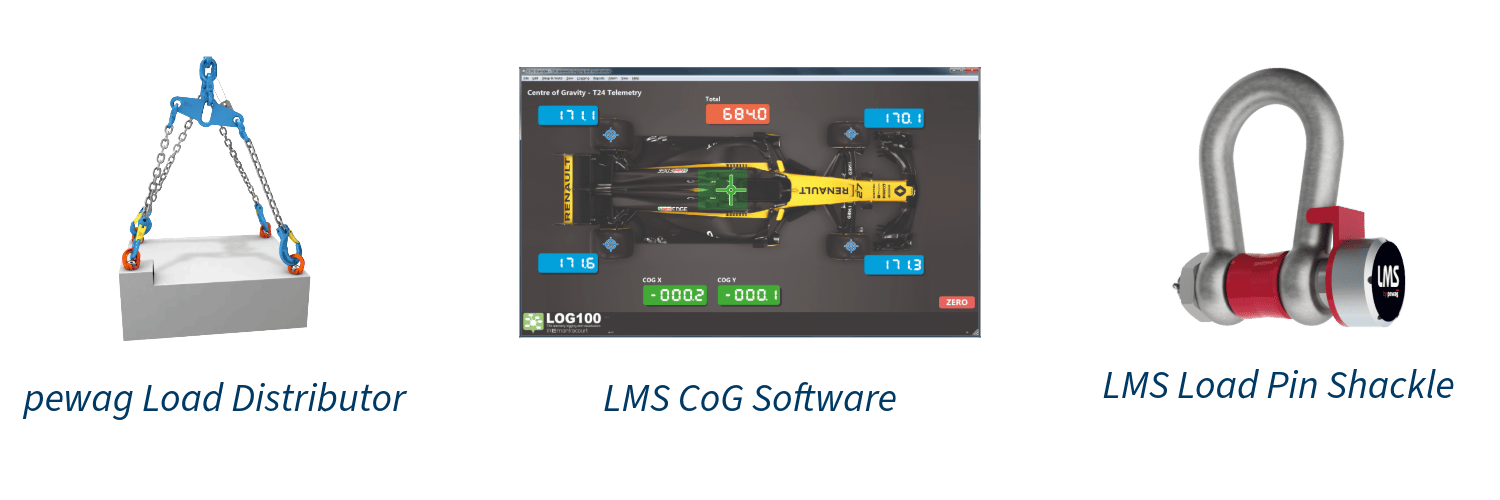
- Calculate sling angles precisely to ensure that forces transmitted to spreader beams and lifting points remain within working limits. The pewag Load Distributor can be used to ensure even load distribution across chain legs.
- Confirm the load’s centre of gravity and establish balanced lifting before rigging begins. The LMS Data Logging Software includes a CoG feature, allowing for accurate & live CoG readings.
- Use real‑time load monitoring where loads exceed typical capacities or where headroom is limited. Load pin shackles, for example, allow accurate force measurement in spaces where larger load links cannot be accommodated.
- Introduce spreader frames or beams to achieve better load distribution and reduce forces on slings and the load.
Manual Handling Injuries During Rigging
The rigging phase often presents risks separate from the lift itself. Handling heavy lifting accessories such as large shackles, wire rope slings, and connecting hardware can cause injuries and slow projects down.
Why it occurs
- Heavy or rigid lifting accessories
- Repetitive handling of oversized equipment
- Complex lifting arrangements requiring multiple adjustments
- Limited workspace around the load
Consequences
- Strains, sprains, and impact injuries
- Delays in preparation
- Fatigue‑related errors that carry over into the lift
Prevention
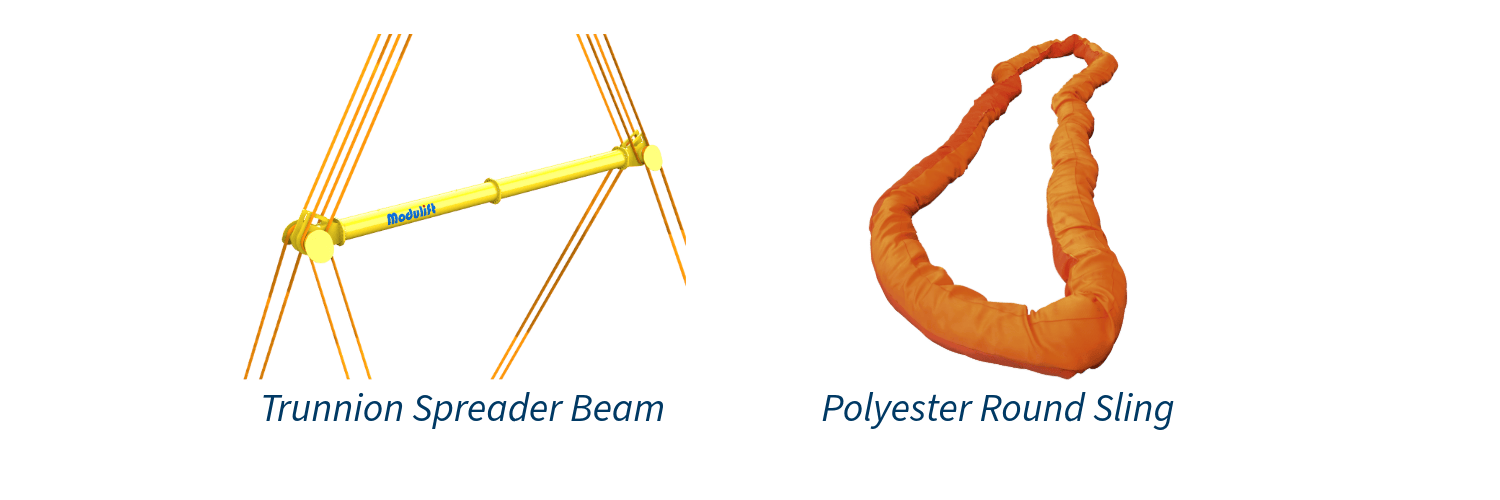
- Use lighter alternatives to traditional heavy lifting accessories where feasible. Polyester round slings, for instance, significantly reduce manual handling strain.
- Select equipment that minimises physical manipulation, such as trunnion‑style spreader beams, which reduce the need for large shackles and lifting accessories during assembly.
- Create clear rigging sequences so that operators minimise unnecessary handling or repositioning of slings.
- Use lifting aids (tugs, rollers, positioning tools) to move heavy components into place.
Equipment Failure from Improper Modification or Uncontrolled Cutting
Many lifting accidents trace back to altered, damaged, or improperly modified lifting accessories. Cutting or adapting lifting points with non‑approved tools removes certification and introduces unpredictable behaviour under load.
Why it occurs
- Time pressure leading to improvised solutions
- Lack of understanding of certification requirements
- Use of uncontrolled cutting tools such as grinders or torches
- Failure to inspect equipment after modification
Consequences
- Loss of equipment certification
- Brittle or weakened lifting points
- Increased likelihood of structural failure
- Hidden defects that are not detected before use
Prevention
- Use controlled cutting methods Certification‑preserving cutting services ensure that equipment remains compliant and structurally sound.
- Implement strict “no modification” policies for lifting points unless performed via approved engineering processes, such as the pewag bolt cutting & chamfering service.
- Conduct post‑cutting inspections on any hardware that undergoes controlled modification.
- Educate operators on why improvised alterations create high‑risk situations.
Dynamic and Unpredictable Load Conditions
Certain operations, such as cable or rope installations, introduce dynamic forces rather than static loads. Tension can fluctuate rapidly, especially in offshore or high‑movement environments.
Why it occurs
- External environmental forces (wind, vessel motion, rolling tension)
- Rapid changes in line speed
- Lack of continuous tension monitoring
- Insufficient understanding of dynamic load profiles
Consequences
- Sudden overload of lines or sheaves
- Equipment damage or premature wear
- Snapback events, posing severe risk to personnel
Prevention
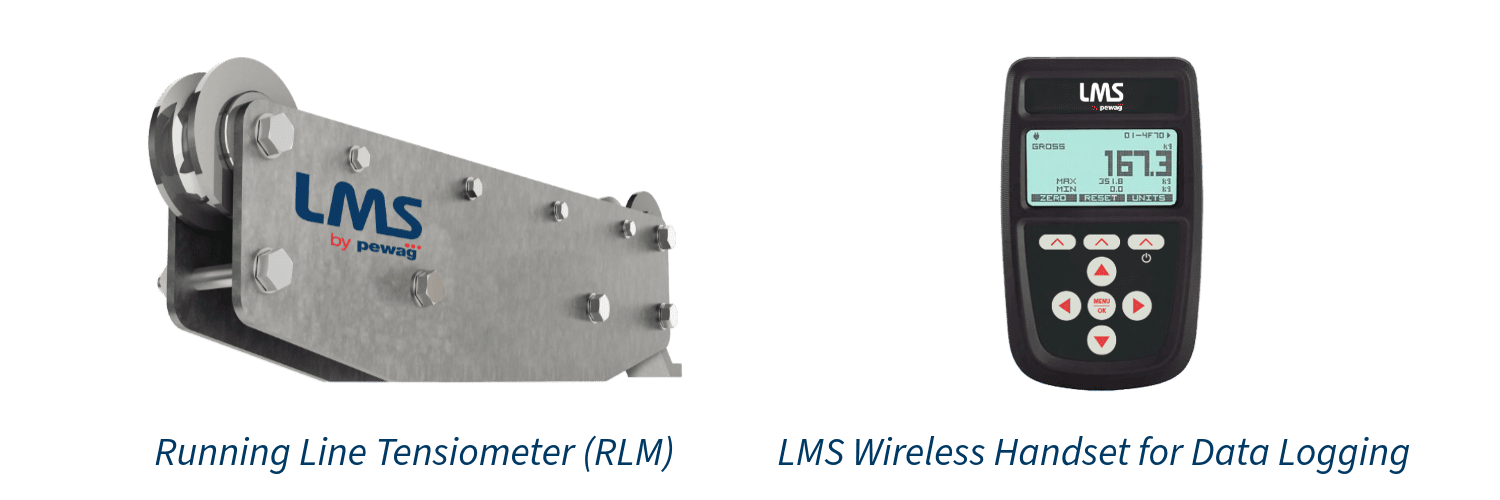
- Use real‑time tension monitoring to track fluctuations continuously throughout the operation. The LMS Running Line Tensiometer is designed to monitor line tension in real time, which can be monitored on any tablet, laptop, phone or through the LMS wireless handset.
- Set threshold alarms that alert operators before line loads enter unsafe ranges.
- Establish exclusion zones around cables under tension, reducing personnel exposure.
- Include dynamic load calculations during lift planning, ensuring equipment is rated appropriately.
Incorrect Installation or Misapplication of Lifting Points
Lifting points that are incorrectly seated, over‑tightened, or installed with incompatible tools can fail during the lift, especially when loads change direction.
Why it occurs
- Variation in torque
- No visual confirmation of correct seating
- Corrosion or wear left unnoticed during pre‑use inspection
- Incorrect selection of lifting point type or capacity
Consequences
- Movement or rotation during the lift
- Failure at the attachment point
- Load rotation or swinging
- Damage to load surfaces or rigging equipment
Prevention
- Use tool‑free lifting points that lock into place and provide a clear installation indicator, such as the pewag PLZW-R Rapid.
- Inspect lifting points for corrosion, wear, and deformation before every lift.
- Ensure compatibility between the lifting point and the expected sling angle or load direction.
- Follow manufacturer torque specifications when tool‑based installation is required.

Summary
Most lifting accidents arise from predictable patterns: uncontrolled forces, improper handling, or inadequate monitoring. By understanding the underlying engineering principles – correct load distribution, real‑time tension awareness, certified modification methods, and safe lifting practices – operators can significantly reduce risk during even the most complex lifts.
A structured approach to planning, combined with appropriate equipment selection, transforms lifting operations from high‑risk to highly controlled environments. Whether dealing with static high‑capacity lifts or dynamic tension‑based operations, the principles remain the same: monitor, control, distribute, and verify.